
Dentures – Westfield, MA
Make Your Smile Whole Again
Missing even a single tooth can be a serious blow to your confidence, and even more so if you’re missing most or all of them. No matter how long you’ve been toothless, or how used to it you think you are, the fact is that having your teeth replaced will be a massive improvement to your quality of life.
Thankfully, dentures are an easy way to make your smile whole again, capable or replacing most or all of your teeth with a single prosthetic. If you’re near Westfield, MA, the team here at EMA Dental can give you a prosthetic that can completely change your life! Give us a call and we’ll be happy to talk to you about what dentures could mean for you
Why Choose EMA Dental For Dentures?
- Several Experienced Dentists at a Single Location
- Compassionate Dental Team Dedicated To Your Needs
- Advanced Dental Technology For High-Quality Prosthetics
Who Is a Good Candidate for Dentures?

Dentures are typically used for patients who are missing many, most, or all of their teeth. While there are instances where replacing one or two teeth with dentures is a good idea, other tooth replacement options my be better for you.
However, if you are missing many of your teeth, dentures can allow you to complete your smile easily and efficiently.
Types of Dentures
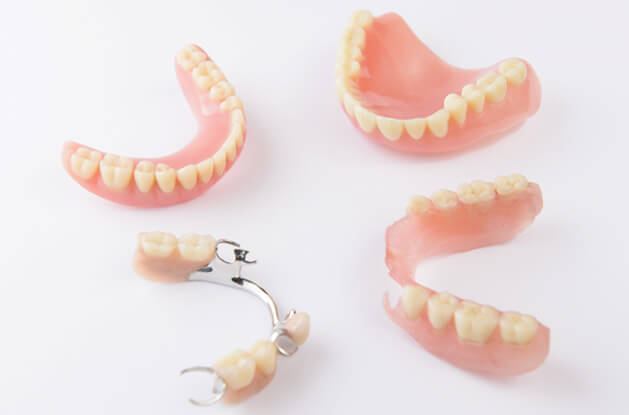
There are multiple different kinds of dentures, each suited to different patients. We’ll be able to talk to you about each of them and which is best for you when we meet you in person. Until then, here’s what you should know about them.
Partial Dentures
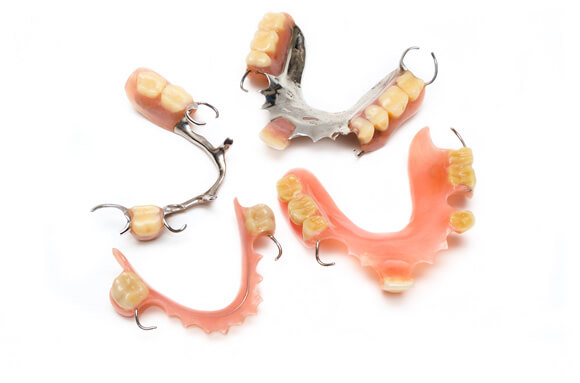
Partial dentures are designed to replace some, but not all, of the teeth on a gum ridge. They consist of artificial teeth on an acrylic base with metal hooks that allow them to the existing teeth.
Full Dentures
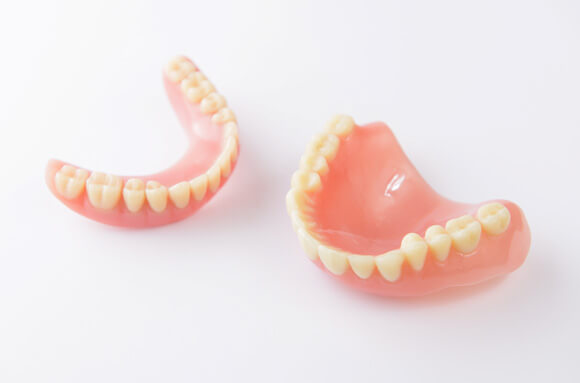
Full dentures, as the name would imply, are designed to replace all of the teeth on a gum ridge. They adhere to the gums entirely via suction, which is made possible by meticulously fitting the prosthetic to the mouth.
Implant Dentures
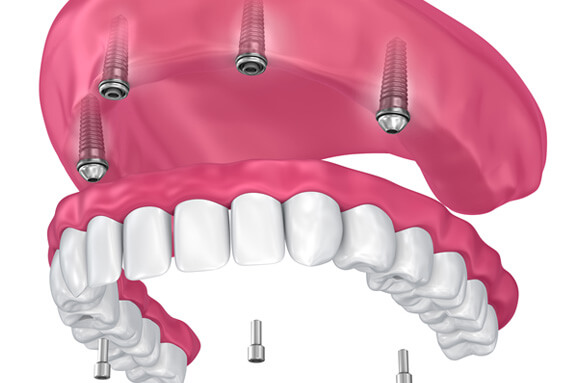
Implant dentures are attached to metal posts that are surgically implanted into the jaw. This affords them additional support and stability when compared to other kinds of dentures, as well as adding considerably to its lifespan.
How Dentures Are Made
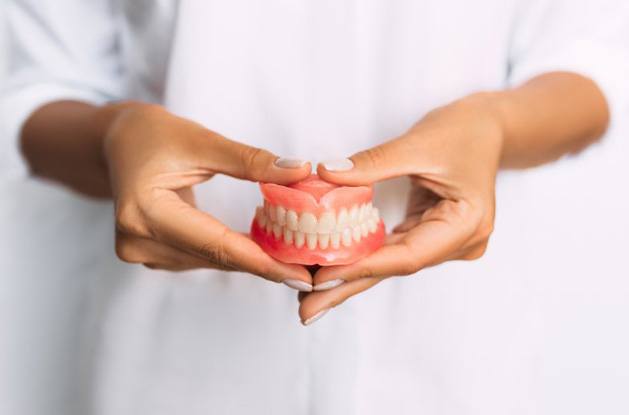
Dentures are amazing restorative appliances that can allow a patient to enjoy a complete smile after tooth loss, and the way they are manufactured is actually quite fascinating. To help you develop a better appreciation for your prosthetic device, here’s a quick guide to how dentures are made from the friendly team EMA Dental of Westfield. If you would like to know more or schedule a consultation, feel free to contact us online.
What Are Dentures Made Of?
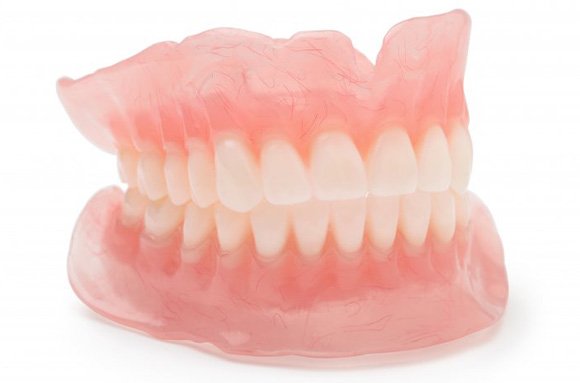
Dentures consist of two principal components: the artificial teeth and the bases that hold them in place. Here’s a quick overview of these parts:
- The base is the foundational structure that allows the appliance to remain in place in the mouth and supports the artificial teeth during the chewing process. A denture base can be made from a variety of materials like nylon, resin, metal, or porcelain, but they are usually made from acrylic since this substance can be easily shaded to match the color of natural gum tissue. The bases of partial dentures may incorporate metal clips that allow them to connect to the remaining teeth for added stability.
- The artificial teeth are usually made from resin or porcelain to give them a lifelike appearance. While porcelain is the more popular option since it is more similar to natural enamel in look and texture, resin is usually used for partial dentures since it is less abrasive on the remaining natural teeth.
The Denture Creation Process
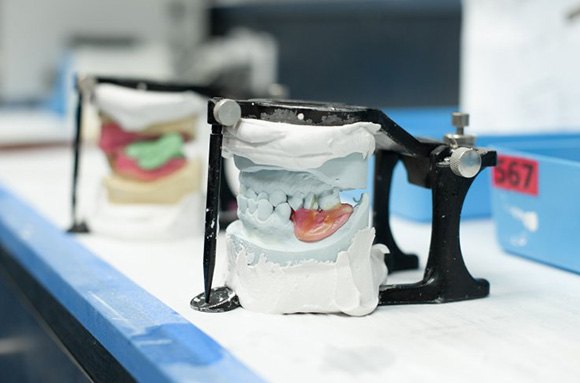
Each denture is completely customized to fit the patient’s mouth through the following process:
- Our dentist in Westfield takes impressions of the patient’s bite and gums and uses these measurements to create a plaster model of their smile.
- This plaster model is sent to a trusted dental lab where a skilled technician will craft a wax replica of the patient’s gumline.
- The technician uses a device called an articulator to fix the artificial teeth in the wax and adjusts to the model to preserve the appearance of natural gum tissue.
- These wax dentures are sent back to our office so you can try them on. If they’re approved, they’ll be sent back to the lab for final processing.
- Back at the lab, the technician will place the dentures in a flask, pour plaster into this container, and boil it to eliminate the wax portions.
- The technician makes holes in the bases of the artificial teeth, adds a liquid separator to the flask, and injects acrylic to replace the wax portions.
- The technician carefully removes the plaster and gently cleans the dentures, trims any excess acrylic, and polishes the appliance until it shines.
- Your final dentures will arrive at our office so you can try them on. After any needed adjustments, you’ll be able to begin using your appliance.
Adjusting to Your New Dentures

It’s perfectly normal to experience some discomfort while adjusting to a new set of dentures, and this can usually be reduced with over-the-counter pain medication. Your appliance should become increasingly comfortable and easy to use as you get more practice eating and speaking with it. If you wish to accelerate your adjustment process, consider sticking to a soft diet, performing facial exercises, and experimenting with an adhesive. However, contact our office if your discomfort persists so we can adjust your appliance as needed.
The Benefits of Dentures

Modern dentures are incredibly sophisticated; their meticulously fit to your gums and designed to look incredibly realistic. They’re also a relatively inexpensive method of replacing a lot of teeth at once.
A set of well fitting dentures can improve your ability to chew foods, make your face look fuller, and allow you to speak much more naturally. If you want to experience firsthand what they could do for you, give us a call and we’d be happy to show you.
Understanding the Cost of Dentures

While it is understandable to be curious about the cost of dentures from EMA Dental of Westfield, the truth is that just like your dentures themselves, there is no ‘one size fits all’ price for these life-changing prosthetics. That’s because they’re custom made to fit your unique smile and needs, and prices can vary depending on a variety of factors. The best way to get an accurate quote is to visit us for a consultation. Until then, please feel free to learn more about how we will determine the cost once you’ve been seen.
Factors that Affect the Cost of Dentures

Generally speaking, there are three major factors that influence the cost of dentures. These include:
- The preparation of your mouth before it is ready to wear dentures, such as if you need gum disease treatment or any tooth extractions.
- The type of material used for your denture base.
- The replacement teeth used in your denture, which can be either acrylic or porcelain.
When it comes to rebuilding your smile, it is important to remember that cheaper doesn’t mean better. Very inexpensive dentures usually mean you get what you pay for, such as poor-quality materials that will need to be replaced sooner.
Are Implant Dentures More Expensive?
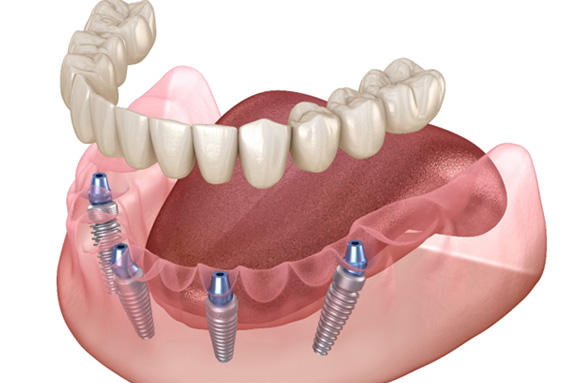
Yes, implant dentures are more expensive than traditional dentures are, but this is for very good reason. Unlike traditional prosthetics, implant dentures secure to your jaw via four to six permanent dental implants. This creates unprecedented stability, so your denture won’t slip out while you’re eating or speaking. Furthermore, since it’s permanently anchored to your jaw, you can clean it just like you would real teeth, so there’s no need to spend time or money on soaks, special pastes, or adhesives. You can even use implant dentures to enjoy a full diet!
Despite their higher upfront cost, many patients find implant dentures to be a better overall value because they don’t need to be replaced every five to seven years like traditional dentures do. In fact, with time they may even pay for themselves!
Does Dental Insurance Cover Dentures?

Yes, most dental insurance plans consider dentures to be a major procedure and do cover at least a portion of the treatment, typically around 50% of their total cost. However, because every dental insurance plan is different, be sure to verify your coverage with your dental insurance provider before receiving treatment. Our friendly dental insurance team can even help you with this if you’d like!
Other Options for Making Dentures Affordable
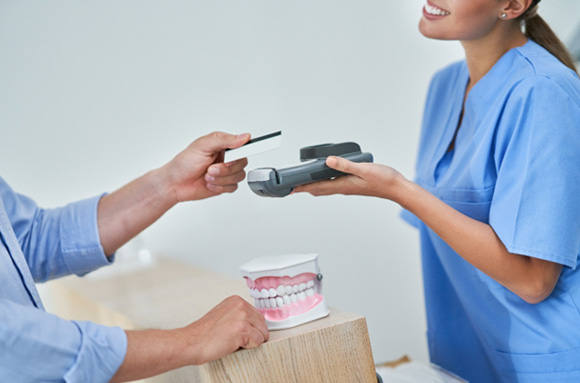
At EMA Dental of Westfield, in addition to welcoming many dental insurance plans, we are pleased to accept flexible financing from our preferred third-party lenders, CareCredit and Lending Club. These plans help make paying for your dentures more affordable by breaking up the cost of your care into multiple, low-to-no-interest monthly payments that may be more ideal for your budget. To learn more about these programs or to schedule a consultation for dentures, please contact us today to get started.
Dentures Aftercare
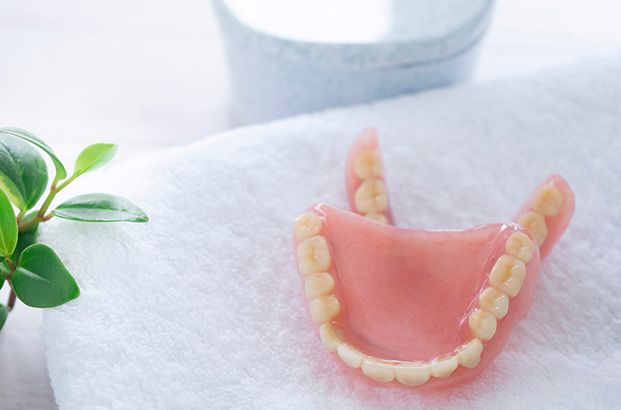
Congratulations on your brand-new dentures! Although your new prosthetics can transform the appearance and functionality of your smile, even if you have no remaining natural teeth, you still need to visit your dentist every six months for your regular preventive checkups. At these appointments, your dental team will continue to monitor any existing teeth as well as the health of your gum tissue and provide preventive denture care. They’ll also be on the lookout for any abnormalities that could indicate oral cancer. That’s because when you wear dentures, it can be very difficult to notice these changes in your mouth on your own, and early detection from your dentist is often the key to making a full recovery.
Removeable Dentures
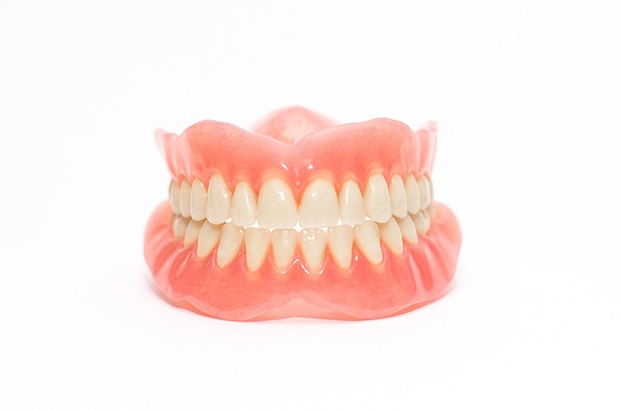
Remove After Eating
Remove and rinse off your dentures after each meal. By doing this, you can help prevent the buildup of food debris and plaque. However, be sure to avoid using hot water, as this can warp the denture material and cause them to stop fitting properly.
Clean Your Restoration
Always remove your dentures from your mouth to clean them. Using a soft-bristled toothbrush and a small amount of unscented hand soap, mild dish soap, or denture cleanser, gently brush the dentures. Never use regular toothpaste on them, as it is too abrasive and your dentures were not meant to stand up to these types of products.
If you won’t be wearing your dentures again for a while, gently place them in a glass of water or denture soak so they don’t dry out and lose their shape. Be sure to rinse them thoroughly before putting them back in your mouth, as these cleaning products were not designed to be in the mouth.
Keep Your Dentures Safe
Before you remove your dentures from your mouth, be sure to line the surface below with a towel just in case you accidentally drop them. This is one of the leading causes of denture damage!
Be sure to keep your prosthetics out of the reach of small children and pets.
Remove When You Sleep
Each night before you go to bed, be sure to remove your dentures completely. Wearing dentures restricts the circulation in your gums, which can cause soft-tissue irritation. Sleeping with dentures in your mouth has also been linked to a higher risk of pneumonia and higher levels of gum and tongue plaque.
Be sure to store your dentures in either denture soaking solution or water overnight. If you allow them to dry out, they can permanently lose their shape.
Notice Changes
Be on the lookout for any changes in your oral health so you can address them with your dentist. This includes things like mouth sores, gum irritation, and signs of oral infection.
Should your dentures become damaged, never attempt to repair them yourself, as you can easily damage them further. Instead, give us a call and let us help!
If your dentures begin shifting, clicking, or showing any signs of improper fit, please let your dentist know as soon as possible, as they may need to be relined or replaced.
Dentures FAQs
Should I Have All My Teeth Pulled to Get Dentures?
Not necessarily, especially if you still have several healthy teeth. We'd never recommend removing them just to accommodate a full denture. If you have strong, viable teeth, partial dentures can fill the gaps while keeping your natural tooth structure in place.
Extractions are only recommended when your teeth are too damaged, decayed, or compromised by gum disease to be saved. Our team at EMA Dental will always evaluate every tooth individually before recommending removal. Preserving your smile whenever possible is always the priority, and we'll make sure any treatment plan reflects that.
Can I Sleep with My Dentures?
While it’s technically possible, it's best not to. Removing your dentures each night gives your gums a chance to rest and recover from the pressure of wearing them all day. Sleeping with dentures has been linked to a higher risk of issues like halitosis, gum disease, and even respiratory conditions like pneumonia.
Instead, store your dentures in water or a denture soaking solution to keep them from drying out and losing their shape. If your dentures feel uncomfortable enough that sleeping without them seems difficult, let our Westfield team know. It may simply be time for a reline or adjustment.
What Qualifies You for Dentures?
Most patients who are missing several, most, or all of their teeth on an arch are good candidates for dentures. You'll need healthy enough gum tissue and bone to support the prosthetic, which means any gum disease or infections should be treated first.
If you're looking for something more stable and long-lasting, implant dentures in Westfield may be worth looking into. These prosthetics anchor directly to your jawbone for a more secure fit and a longer lifespan. All in all, the best way to see if dentures are the right fit for you is to schedule a consultation with our team.
What Can't You Eat with Dentures?
Traditional dentures actually restore a good deal of chewing ability, but some foods will need to be prepared a certain way or avoided entirely. For example:
- Sticky foods like caramel and chewing gum can dislodge your denture or leave residue behind that’s hard to clean.
- Hard foods like nuts, hard candies, and crusty bread can put excessive pressure on the prosthetic, possibly cracking it.
- Tough, chewy meats can be difficult to process, especially at first. And the same can be said for crisp, raw fruits and veggies.
When you first get your dentures, starting with softer foods and working your way up as you adjust is the best way forward. Afterward, you can prepare meats by cutting them into small pieces, and vegetables by steaming them.