
Dental Bridges Westfield
Fill the Gap & Restore Your Smile
Here at EMA Dental in Westfield, our team is proud to offer a range of high-quality restorative services that can renew damaged teeth and even replace missing ones. For example, we design and place beautiful dental bridges that can fill in gaps and improve your chewing power. If you have experienced tooth loss, we encourage you to visit us for a consultation so we can review your treatment options and help you get back on the road to a complete, strong, and confident smile.
Why Choose EMA Dental for Dental Bridges?
- Highly Skilled On-Staff Prosthodontist
- Bridges Made of Strong, Lifelike Materials
- Dental Insurance Welcomed & Financing Available
What Is a Dental Bridge?
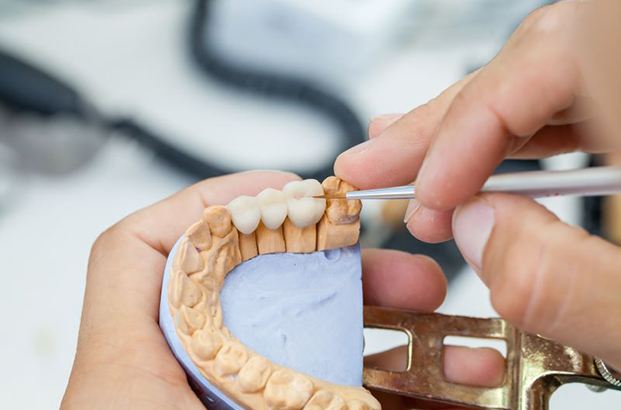
A dental bridge is a multi-unit dental prosthetic that is designed to replace one or more teeth in a row. Most bridges have a crown on each end, each support at least one pontic (artificial tooth) between them. These restorations can be made of various materials, including lifelike options like porcelain and ceramic. With proper care, bridges are able to last a long time and provide sturdy chewing power.
Types of Dental Bridges

There are several types of dental bridges, but the most common are traditional (fixed) bridges and implant bridges. During your tooth replacement consultation, we will consider a variety of factors before we recommend the option that best suits you. Your jawbone density, your overall health, and your personal preferences will all play a role in determining the ideal approach for your situation.
Here is a basic overview of each type of bridge:
Traditional Dental Bridges
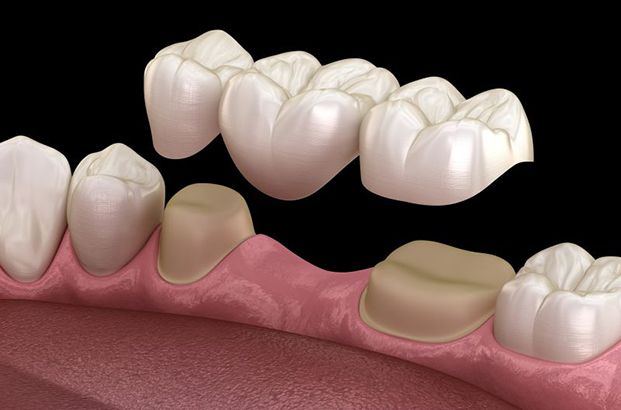
A traditional bridge relies on the support of the natural teeth that surround the gap in your smile. The crowns get placed on these abutment teeth, and they support at least one pontic between them. It usually takes just a few appointments to provide a traditional bridge, making it a fast and convenient option.
Implant Bridges
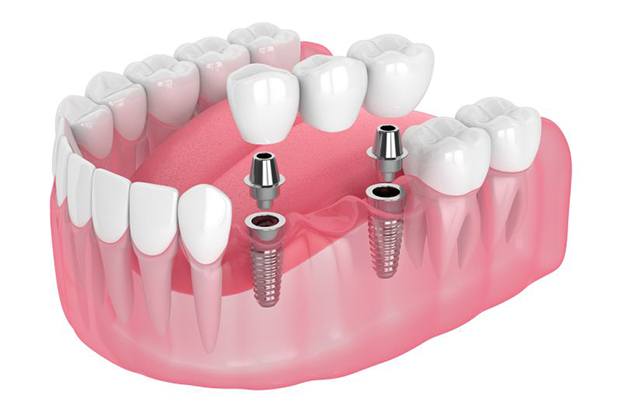
An implant bridge does not rely on your abutment teeth. Instead, it is supported by a dental implant on each end. Implants are prosthetic tooth roots that we surgically place into the jawbone. After they bond with the surrounding tissue, they provide an incredibly strong base of support for replacement teeth. While this treatment process takes longer than a traditional bridge, it offers superior strength and jaw health benefits. It also does not require any modification of the abutment teeth.
The Benefits of Getting a Dental Bridge

A dental bridge can deliver a range of high-value benefits, including:
- Longevity: With proper care, a bridge often lasts for 10 years or longer.
- Beautiful aesthetics: We design bridges so they look as natural as possible.
- Protection for your remaining teeth: A bridge can serve as a placeholder that prevents other teeth from drifting out of place. It can also take some of the pressure of daily chewing, which may reduce wear and tear on your natural dentition.
- Easy maintenance: Caring for a dental bridge is pretty easy. In addition to brushing twice a day, you should also floss around it and use a floss threader or other special tools to clean underneath it.
Are you ready to fill the gap in your smile? Contact EMA Dental of Westfield to schedule your tooth replacement consultation!
Dental Bridge FAQs
Is Getting a Dental Bridge Painful?
Getting a dental bridge shouldn't hurt at all! Before preparing your teeth for supporting crowns or implant surgery, our team will fully numb the area with a local anesthetic to ensure you're comfortable throughout the procedure. If anything does feel uncomfortable, you can always let us know, and we'll adjust our approach.
That said, some mild soreness or sensitivity is normal in the days following your appointment as your gums heal. This typically fades within a few days, but if you experience ongoing pain or discomfort beyond that window, reach out to our Westfield team.
Can You Take a Dental Bridge Out?
No—traditional dental bridges are permanently fixed in place and can't be removed by yourself. The bridge is bonded or anchored to the teeth on either side of the gap using dental crowns or implants for stability.
This is one of the biggest advantages of a fixed bridge over a removable option like a partial denture—structure. There's no need to take out your bridge every day for soaking or maintenance, and you won't experience slippage or dislodgement while you eat or speak. Only our team can remove or adjust it if it's ever necessary.
How Many Teeth Can a Dental Bridge Replace?
Traditional dental bridges are typically used to replace one to three consecutive missing teeth, while implant bridges can typically support 4 to 6, depending on the number of implants you receive.
Ultimately, the number of teeth your restoration can replace depends on the support system around it. Strong, healthy teeth can support a larger bridge than weaker ones, and dental implants, which are placed directly into your jawbone, are strong enough to carry more.
If you're missing more teeth than a bridge can reasonably support, our team may recommend an alternative solution to restore your smile.
Can Dental Bridges Be Whitened?
No—the materials used to craft dental bridges, whether porcelain or other ceramics, don't respond to whitening treatments the way natural tooth enamel does. If your bridge no longer matches the shade of your surrounding teeth, whitening your natural teeth beforehand and coordinating the shade of a new restoration is often the better solution.
If you're planning to whiten your smile in the future, please let our team know before starting restorative treatment. Once we're aware, we can help you plan the timing and shade matching accordingly.